
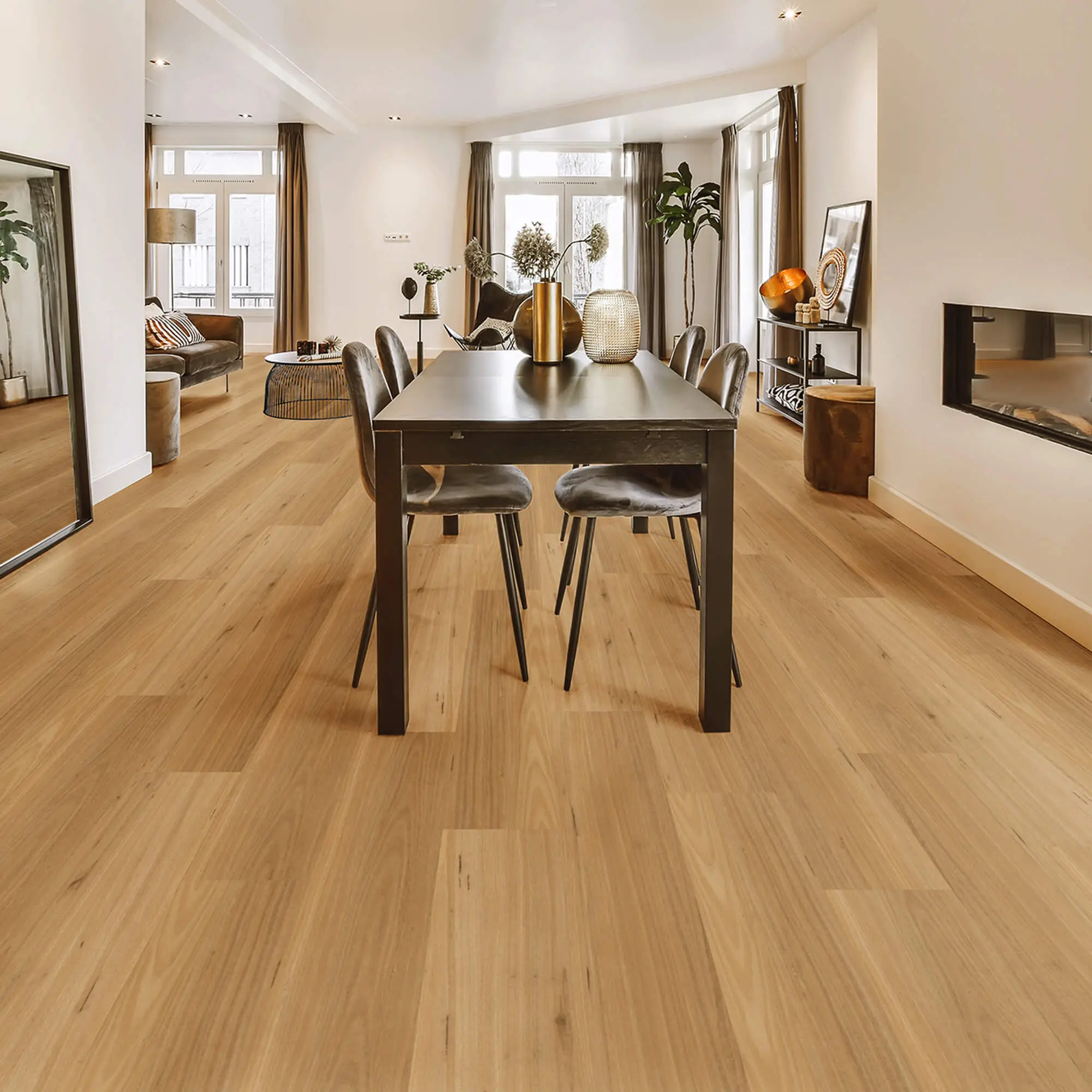
Timber flooring is an elegant and durable choice, suitable for both residential and commercial spaces. However, the requirements and considerations for each type differ significantly. Understanding these differences can help homeowners, builders, and architects make informed decisions tailored to their specific needs. This article explores the key distinctions between residential and commercial timber flooring, providing insights into material choices, installation techniques, and maintenance considerations. By examining these aspects, individuals can make more informed decisions regarding their flooring solutions. Find additional information here.
Material Selection
The choice of materials for timber flooring in residential and commercial spaces is influenced by different factors, including aesthetics, durability, and cost. While both environments may utilize similar materials, the emphasis on specific characteristics often varies.
Residential Flooring
- Wood Type: Homeowners often prioritize appearance and comfort. Popular choices include oak, maple, and cherry, known for their warm aesthetics and comfort underfoot.
- Finish: Many residential floors are finished with oil-based urethane, providing a softer, more natural look.
- Thickness: Typically, residential planks range from 1/2 inch to 3/4 inch in thickness, striking a balance between durability and ease of installation.
Commercial Flooring
- Wood Type: Durability and resistance to heavy foot traffic are key. Harder wood species such as teak and walnut are commonly used.
- Finish: Commercial spaces often utilize water-based finishes for quicker drying times and increased resistance to wear.
- Thickness: Heavier traffic demands thicker planks, often exceeding 3/4 inch, to ensure longevity and robustness.
For more in-depth information on timber flooring materials, read more about this topic.
Installation Techniques
Installation techniques for timber flooring can differ significantly between residential and commercial settings due to the varying demands and constraints of each environment.
Residential Installation
- Flexibility: Residential installations can afford more flexibility in scheduling and customization, allowing for intricate designs and layouts.
- Subfloor Preparation: Typically involves less rigorous preparation as the weight and traffic are generally lower compared to commercial spaces.
- Acoustic Considerations: Often includes underlayment for soundproofing to enhance comfort and noise reduction within the home.
Commercial Installation
- Timing and Efficiency: Commercial projects often require rapid installation to minimize business downtime. Efficient and experienced installers are crucial.
- Subfloor Preparation: More intensive preparation is needed to support heavier loads and ensure floor longevity.
- Specialized Techniques: May include the use of adhesives or fasteners designed for high-traffic areas.
Explore further insights on installation techniques here.
Maintenance and Durability
Maintaining timber flooring involves regular care and attention, but the specifics can vary greatly between residential and commercial settings.
Residential Maintenance
- Cleaning: Regular sweeping and occasional mopping with mild cleaning agents are usually sufficient.
- Refinishing: Depending on wear and tear, floors might need refinishing every few years to restore their appeal.
- Protection: Use of area rugs and furniture pads can protect the floor from scratches and dents.
Commercial Maintenance
- Cleaning: Requires more frequent cleaning due to higher foot traffic, often necessitating professional cleaning services.
- Refinishing: More frequent refinishing might be necessary, depending on the level of traffic and wear.
- Durability Enhancements: Employing protective coatings and finishes to extend the life of the flooring.
Learn more in this detailed guide about maintaining timber flooring in different environments.
Conclusion
Choosing the right timber flooring for residential or commercial spaces involves a deep understanding of the unique demands each environment presents. While aesthetic preferences play a significant role in residential settings, commercial environments prioritize durability and ease of maintenance. By carefully considering factors such as material choice, installation techniques, and maintenance requirements, decision-makers can ensure their flooring solution meets both functional and aesthetic needs. Explore further insights here.
